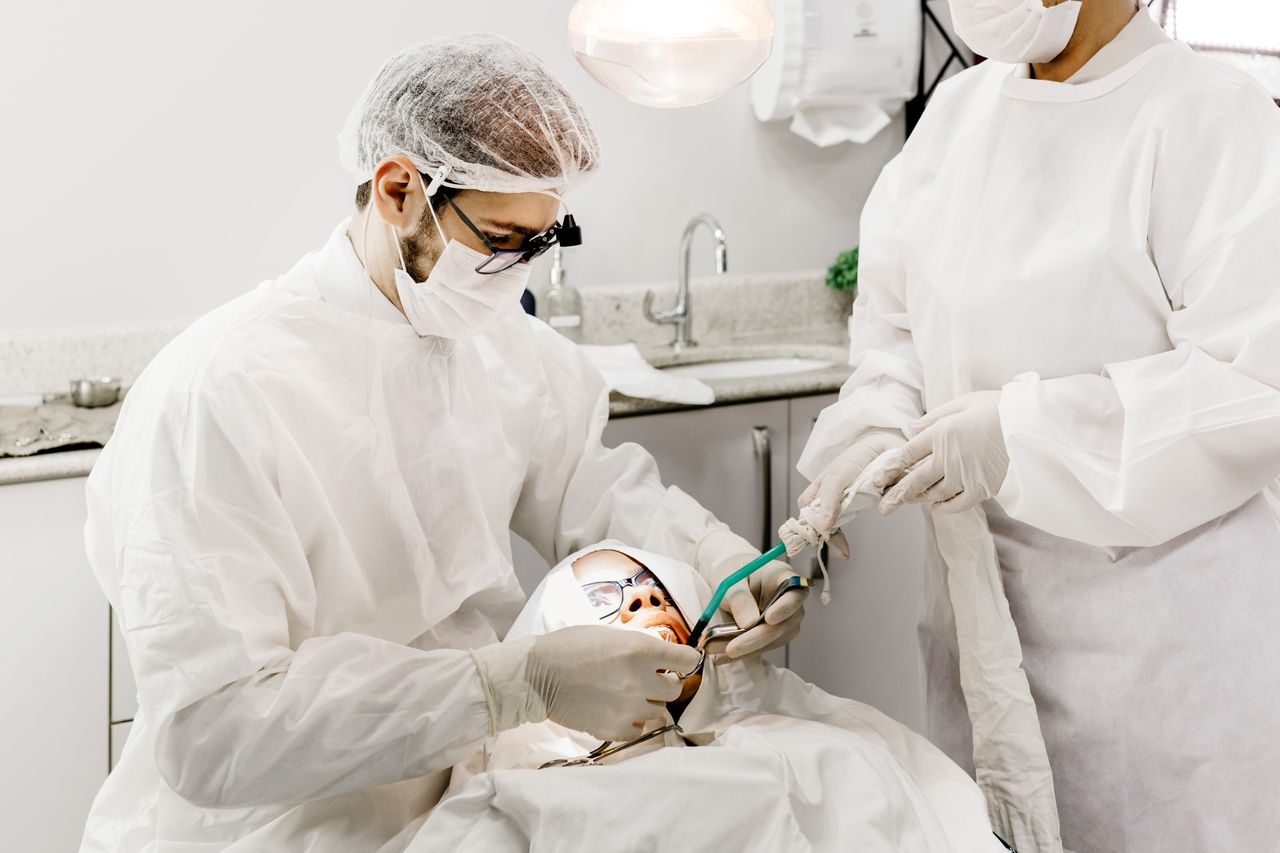
A dental emergency rarely gives you time to think. One moment you are eating, playing sport, or simply going about your day, and the next you are dealing with a broken tooth or sudden pain.
What you do in those first few minutes can matter just as much as the treatment you get afterwards.
Why the First Few Minutes Matter
Most people assume a dentist can fix almost anything, given time. In some cases, though, timing is everything. A knocked-out tooth is the clearest example. Beyond that window, the chances fall away. This is why knowing basic first aid steps, before an emergency even happens, is genuinely useful rather than just precautionary advice.
A Knocked-Out Tooth
If a permanent tooth is knocked out, pick it up carefully by the crown, which is the white part you would normally see when smiling. Avoid touching the root, as this can damage the delicate tissue needed for reattachment. If the tooth is dirty, rinse it gently in water, but do not scrub it. Try placing it back into the socket if you can do this comfortably. If that is not possible, keep it in a small container of milk and get to a dentist as quickly as possible. Do not attempt this with baby teeth, as they should not be reinserted.
A Broken or Chipped Tooth
A cracked or broken tooth can happen from a fall, a bite on something hard, or an unlucky knock. If you can find the broken piece, keep it somewhere safe in case it helps with treatment. Rinse your mouth gently with warm water to clear any debris, and apply a cold compress to the outside of your cheek if there is swelling. Avoid chewing on that side of your mouth. Sharp edges can cut the tongue or cheek, so try not to run your tongue over the area. Book an appointment as soon as you reasonably can.
Severe Toothache
A persistent, throbbing toothache is often a sign of infection or decay reaching the nerve. Rinse your mouth with warm salt water, which can help reduce bacteria and ease mild discomfort. Over-the-counter pain relief, taken as directed, can help in the short term, but this only masks the problem rather than solving it. Avoid placing aspirin directly on the gum, as this can burn the tissue. If pain is severe, keeps you awake, or is accompanied by swelling, this points towards a dental emergency that needs prompt professional attention rather than home management alone.
A Dental Abscess
An abscess is a pocket of infection that can develop at the root of a tooth or in the surrounding gum. Symptoms often include swelling, a throbbing pain, and sometimes a bad taste caused by pus. Rinsing gently with warm salt water can offer some relief while you arrange to be seen. Do not try to pierce or drain an abscess yourself, as this can spread the infection further. Left untreated, an abscess can worsen quickly, so this is one of the clearer situations where you should not wait for a routine appointment to become available.
Lost Filling or Crown
Losing a filling or crown can feel less dramatic than a broken tooth, but it still leaves the tooth exposed and vulnerable. Keep the crown safe if you still have it, as a dentist may be able to refit it. Over-the-counter dental cement, sold at most pharmacies, can offer a temporary seal until you are seen. Avoid chewing on that side of your mouth, and steer clear of very hot, cold, or sugary food and drink, which can irritate the exposed area. Book an appointment promptly, since the tooth is more prone to further damage or infection while unprotected.
When to Seek Help Straight Away
Some situations call for urgent attention rather than a wait-and-see approach. These include heavy bleeding that does not stop with gentle pressure, facial swelling that is spreading, a fever alongside dental pain, or an injury involving the jaw.
If you experience any of these, contacting an emergency dentist in Leeds is the sensible next step, rather than waiting to see if things improve overnight. Describing your symptoms clearly when you call helps the practice understand how quickly you need to be seen.
Getting the Right Support
Having a plan before an emergency happens makes a real difference. It is worth saving the number of a trusted local practice, such as Poldent Dental Care, so you are not searching for help while in pain or distress. Same-day appointments may be available, subject to availability, though this will vary depending on the practice and time of day. Knowing basic first aid steps, paired with prompt professional care, gives you the best chance of protecting your teeth and avoiding more complicated treatment later on.