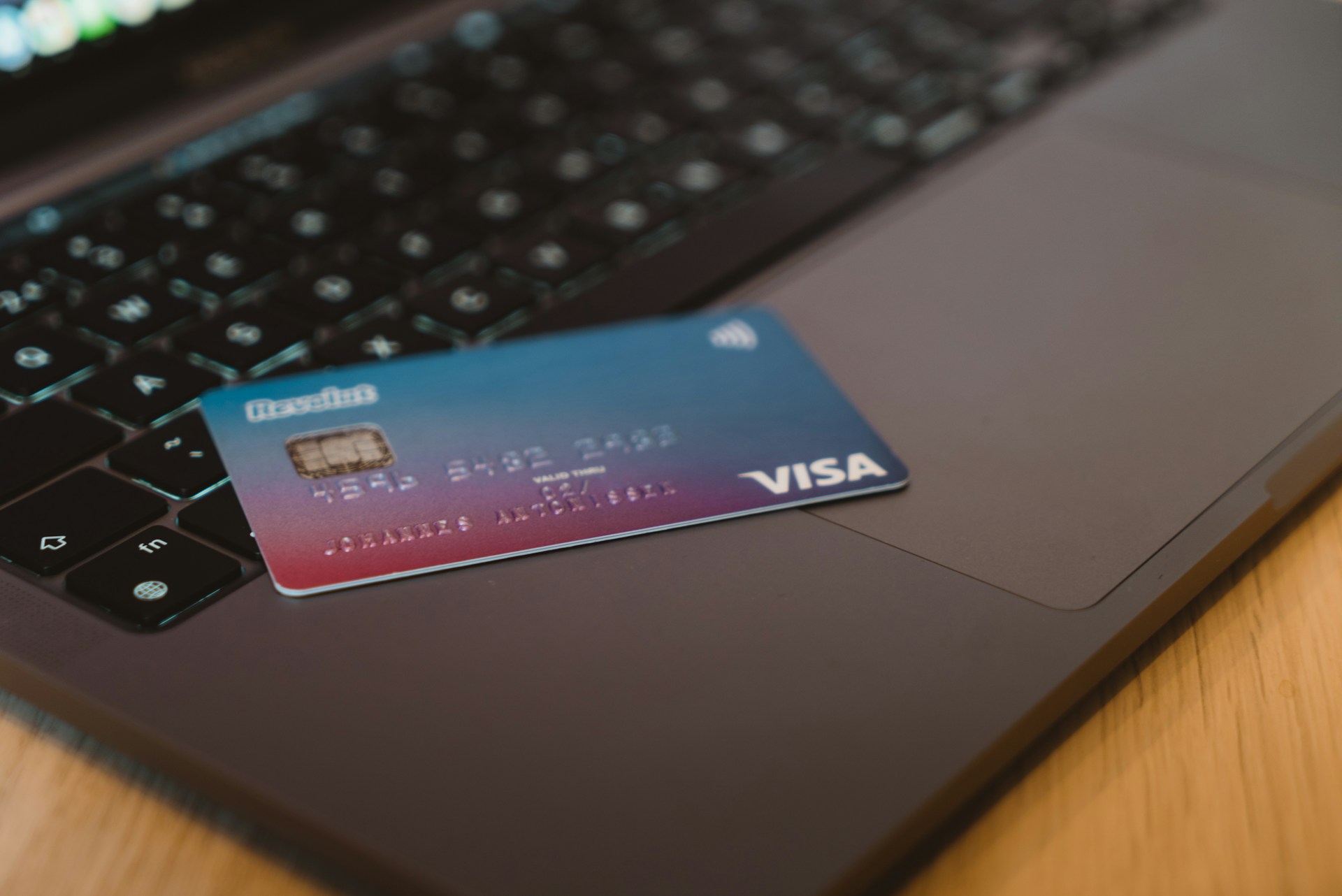
Credit card skimming is one of the fastest-growing forms of financial fraud in the world. It happens when a criminal secretly captures your card data using a hidden device called a skimmer.
These devices are placed on ATMs, gas pumps, and point-of-sale terminals. You swipe your card as usual, but your data is stolen within seconds.
How Does a Skimmer Actually Work?
Understanding how skimmers work is the first step to protecting yourself. A skimmer is a small, thin device that criminals attach directly over a card reader. When you insert or swipe your card, the skimmer reads and stores your magnetic stripe data. Often, a tiny hidden camera or fake keypad overlay records your PIN at the same time. Together, this data lets thieves clone your card or commit identity theft. Some advanced skimmers are now wireless and transmit stolen data via Bluetooth in real time. These devices are becoming harder and harder to spot with the naked eye.
Where Are You Most Vulnerable to Card Skimming?
Skimming 카드깡 attacks can happen almost anywhere, but some locations are far riskier than others. Gas station pumps are the number one target. In fact, the U.S.
Secret Service estimates that skimming devices are found at over 20% of gas stations inspected in high-risk areas. ATMs located in isolated or low-traffic areas are also prime targets. Self-checkout terminals in grocery stores and tourist areas are increasingly targeted, too. Basically, anywhere a card reader exists without a watchful human eye is a potential skimming hotspot. Always stay alert in these environments and pay attention to what the reader looks like.
How to Spot a Skimming Device Before It’s Too Late
Spotting a skimmer takes a bit of practice, but it is absolutely possible. Before you insert your card anywhere, give the reader a firm wiggle. Legitimate card readers are solidly mounted. If anything feels loose, wobbly, or slightly misaligned, walk away. Look for unusual overlays on the keypad. Fake pads often sit slightly higher than normal. Check for extra pieces of plastic or odd-looking attachments near the card slot. Trust your instincts. If something looks off or feels strange, it probably is. It is always better to use a different machine than to risk having your card data stolen.
Smart Daily Habits That Keep Skimmers Away
Building good daily habits is honestly your strongest line of defense against card fraud. First, always cover the keypad with your hand when entering your PIN. This blocks hidden cameras. Second, try to use ATMs inside banks rather than freestanding outdoor machines. Third, choose contactless payment methods like tap-to-pay or mobile wallets whenever possible, as these do not expose your magnetic stripe data at all. Fourth, regularly check your bank statements and set up instant transaction alerts on your phone. Catching unauthorized charges early can save you enormous amounts of stress and financial damage down the line.
How Digital Fraud Connects to Scams Like 신용카드현금화
It is important to understand that card skimming does not exist in isolation; it is part of a broader ecosystem of credit card fraud and exploitation. One concept closely tied to this world is 신용카드현금화, a Korean term that refers to the practice of converting credit card limits into cash, often through unauthorized or grey-market channels. While some forms of this practice exist in legal grey areas, fraudsters frequently use stolen card data obtained through skimming to carry out these conversions without the cardholder’s knowledge. This type of fraud compounds the damage to victims and makes financial recovery significantly more difficult.
Should You Use a Physical Card Protector or RFID Wallet?
RFID-blocking wallets and card sleeves have become a popular solution, and for good reason. Modern credit and debit cards with contactless features use radio-frequency identification (RFID) technology. Without shielding, a criminal with a handheld scanner can potentially read your card data simply by walking near you. Studies suggest that contactless card fraud has grown by over 150% in the last five years in several major markets. An RFID-blocking wallet creates a physical barrier against these wireless skimming attempts. They are affordable, widely available, and genuinely effective. Pairing one with good card hygiene gives you a meaningful extra layer of protection.
What to Do If You Think Your Card Has Been Skimmed
Acting fast is everything when you suspect your card has been compromised. The moment you notice an unfamiliar charge, call your bank immediately. Most financial institutions have 24/7 fraud lines precisely for this situation. Request a card freeze or cancellation right away. Do not wait to see if more charges appear. File a report with your local police and also report the incident to the Federal Trade Commission (FTC) at reportfraud.ftc.gov. Document everything: dates, amounts, and locations of suspicious transactions. The sooner you act, the better your chances of recovering lost funds and preventing further damage to your credit profile.
Technology Solutions That You and Banks Can Use Together
The good news is that technology is fighting back against skimming in real and effective ways. EMV chip cards are far harder to clone than magnetic stripe cards, which is why chip-based fraud is significantly lower than swipe-based fraud. Tokenization in mobile payment apps like Apple Pay and Google Pay means your actual card number is never transmitted during a transaction. Banks are also deploying AI-powered fraud detection systems that flag unusual spending patterns in real time. According to Javelin Strategy & Research, card fraud detection technology prevented an estimated $14 billion in losses in 2023 alone. Using all these tools together dramatically reduces your risk exposure.
Stay One Step Ahead of Fraudsters
Protecting your credit card from skimming is not a one-time task; it is an ongoing commitment to financial self-defense. Stay informed about new skimming methods, because fraudsters constantly evolve their tactics. Use contactless payments whenever possible, monitor your accounts daily, and never ignore a suspicious-looking card reader.